

15 August 2024 · Research Projects
Rezy-Spezi: Innovative solutions for recycled materials and sustainability in the circular economy
The ReZy-SpEZi research project develops standardized methods for specifying and evaluating plastic recyclates for industrial use.
- rezy-spezi
- forschung
- rezyklateinsatz
- spezifikation
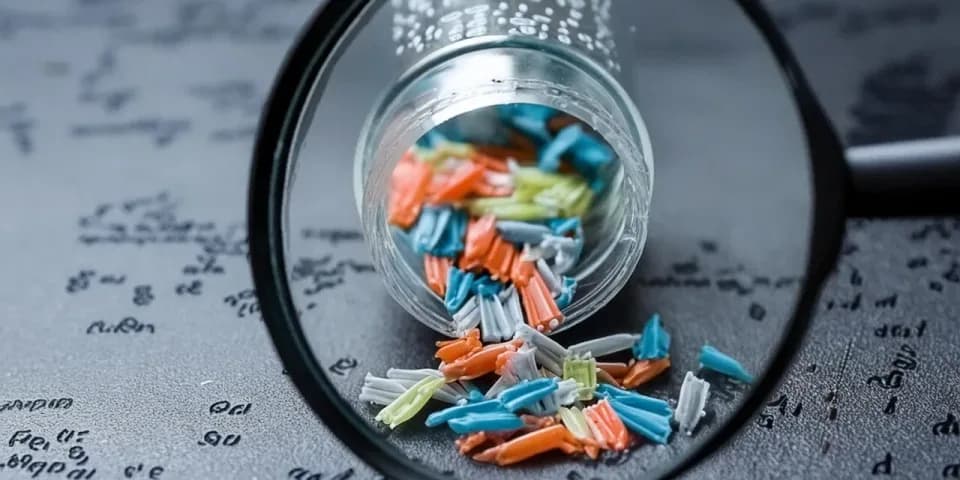
Welcome to "Rezy-Spezi" – a research project for advanced solutions in recycled material use. In light of the growing importance of sustainability and the circular economy, Rezy-Spezi is dedicated to exploring efficient applications of recycled materials across various industries. Our focus is on identifying potential uses for recycled materials through the systematic analysis of relevant standards and requirements. Together, we are shaping a sustainable future.
Project overview
Rezy-Spezi is a pioneering research project funded by theGerman Federal Environmental Foundation (DBU) and conducted by SKZ - The Plastics Centre in collaboration with plastship. The project analyses specific standards and requirements across various industrial sectors to identify potential applications for recyclates. Our focus is on the automotive, construction, and packaging industries, where we are closely examining the use of recyclates and developing solutions for the industry.
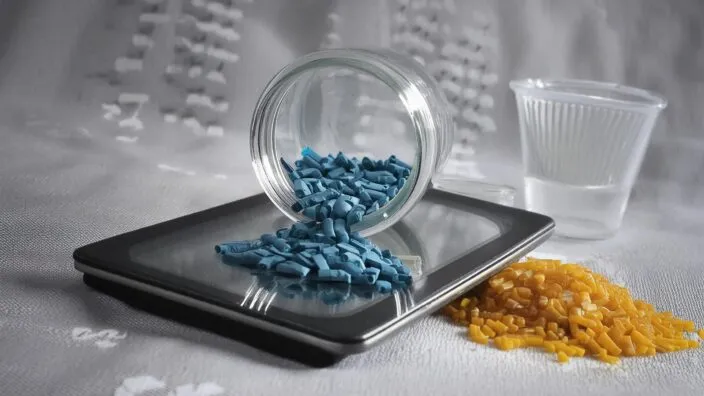
Main objectives of the project
Identification of recyclate usage potentials
Analysis of standards and manufacturer-specific requirements across industries
Analysis of standards and requirements
Examination of standards that promote or hinder the use of recyclates
Development of action recommendations
Specific recommendations for the industry to increase the use of recyclates
Enhancing societal acceptance
Exploration of customer perspectives on products containing recyclates
Project results
► A total of 33 recycling companies participated in the survey, providing both post-industrial and post-consumer qualities.
► The participating companies represent 10% of the European recyclate market based on their production capacities.
Standards analysis
Our analysis shows that general standards restrict the use of secondary plastics, particularly in drinking water and hygiene applications. However, we see significant potential in the automotive and construction industries.
Specific requirements
Many companies continue to use virgin materials because customer requirements often exclude recyclates. However, our research shows the possibility to adjust requirements to increase the use of recyclates without compromising quality.
Acceptance
The acceptance of recyclates heavily depends on the perception of quality attributes such as smell, texture, and appearance. However, our surveys show that many consumers are willing to pay higher prices for sustainable products.
Recyclate volumes by industry
As part of our project, we have obtained detailed and insightful results across various industries. These provide important insights into current developments, particularly regarding current recyclate volumes and the potential that arises from reduced requirements in the plastics recycling industry.
Packaging
► Current recyclate volumes: 150.000 t/y
► Potential recyclate volumes: 195.000 t/y (30% increase)
Automotive industry
► Current recyclate volumes: 80.000 t/y
► Potential recyclate volumes: 100.000 t/y (25% increase)
Construction industry
► Current recyclate volumes: 100.000 t/y
► Potential recyclate volumes: 135.000 t/y (35% increase)
Electronics industry
► Current recyclate volumes: 50.000 t/y
► Potential recyclate volumes: 60.000 t/y (20% increase)
Potential to increase volumes and required investments
Overall potential across all industries
With a cross-industry reduction in certain technical requirements, recyclate volumes could be increased by up to 28%.
Key levers
► Contamination tolerances: A slight increase in acceptable contamination levels could significantly boost recyclate volumes.
► Material diversity: Expanding the types of plastics used while simultaneously adapting processing technologies.
Required investments
► Machinery optimisation: 60% of surveyed companies see the need to invest in new separation and sorting technologies.
► Collaborations: 70% of companies highlight the importance of closer cooperation along the value chain to improve material quality.
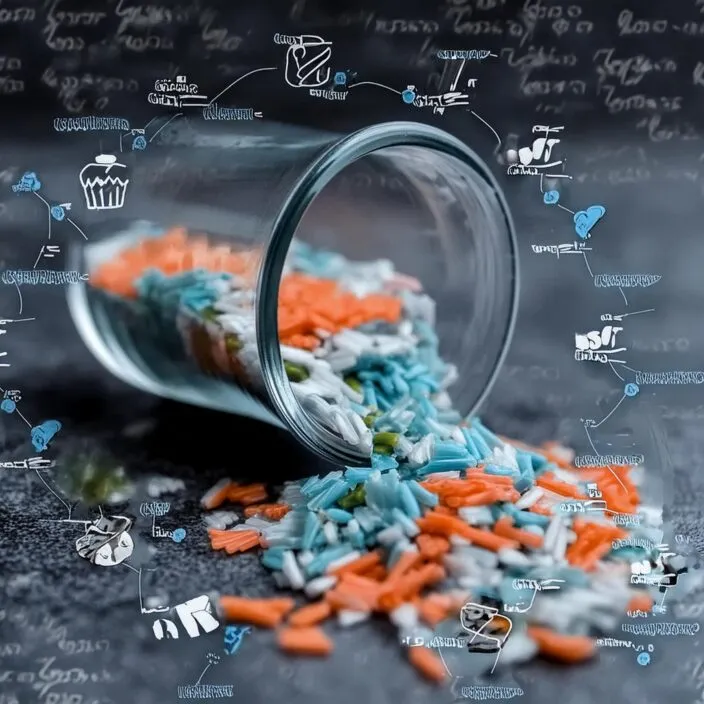
Cross-industry recommendations
Based on the insights gained, we have developed the following cross-industry recommendations:
Expansion of recyclate markets
► Cross-industry collaboration:
There should be a stronger exchange between different industries to identify synergies and utilise recyclates more efficiently.
► Promotion of research and development:
Investments in new recycling technologies and processes should be prioritised to enable the processing of more complex plastic waste.
Adjustment of regulations
► More flexible quality standards:
Adjusting regulatory frameworks to facilitate the use of recyclates while ensuring product safety.
► Incentives for promotion:
Financial incentives for companies that use high proportions of recycled materials.
Awareness-raising and training
► Training programmes:
Development of training for the entire supply chain to improve the processing and utilisation of recyclates.
► Public outreach:
Raising consumer awareness of the benefits of recyclates to increase demand.
Tool for analysing survey results
Use our interactive tool to discover the potentials for your industry:
► Target audience: Companies supplying recyclates to various industries.
► Focus: Increasing recyclate volumes while reducing certain requirements.
► Results: Results segmented by industry, based on Circular Plastic Alliance.
► Case studies: Simulate the impact of reducing specific requirements.
For more information, please refer to the project report at SKZ - The Plastics Centre or download the results report here.
If you have questions or suggestions, please contact me!
Andreas Bastian, Founder and Managing Director
+49 6126 589 80 10 · bastian@plastship.com
Related Articles
KISS – AI-Driven Circular Economy Meets Practice: plastship at FACHPACK and K 2025
24 July 2025
The KISS research project shows how AI advances the circular economy in practice on the journey from FachPack to K Trade Fair.
- kiss
- forschung
- ki
- kreislaufwirtschaft
- praxis
KISS project: rethinking the circular economy for plastics with AI
6 February 2025
The BMBF-funded KISS project develops AI-based methods for quality assessment and specification of plastic recyclates.
- kiss
- ki
- forschung
- bmbf
- kreislaufwirtschaft
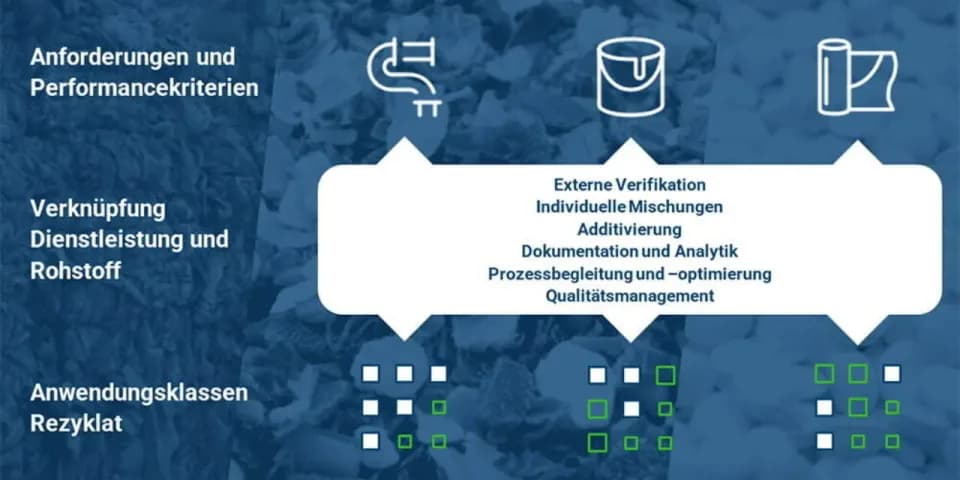
Plastic Recyclates: SKZ and PLASTSHIP launch joint project
1 October 2021
SKZ – The Plastics Center and plastship launch a joint research project to improve recyclate characterization.
- skz
- forschung
- kunststoffprüfung
- kooperation