With Monitored Materials, we are creating a neutral data basis for the quality of plastic recyclates. It enables industry to make robust decisions and contributes to a shared understanding of recyclate quality – the foundation for increasing the use of high-quality recyclates.
– Andreas Bastian, Managing Director of plastship GmbH
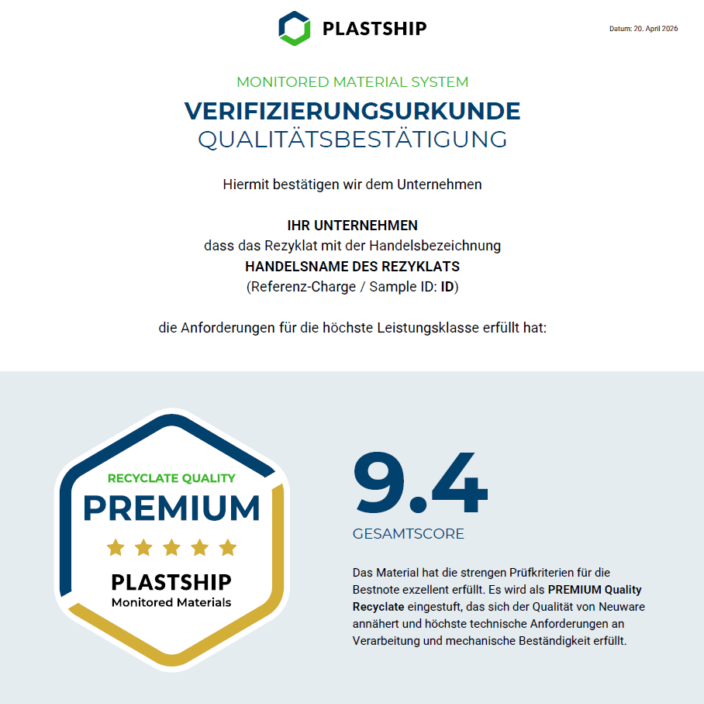
Recyclate manufacturers can use plastship Monitored Materials to position their products precisely in the market. The plastics processing industry, in turn, gains a reliable and rapid basis for deciding on the use of these materials. The structured database significantly reduces the effort required to search for and qualify new materials, thereby saving both time and costs. Material identification in procurement as well as approval processes become less time-consuming, as validated datasets can be accessed directly. The assessment is transparent, with a score from 0 to 10 and classification into one of three quality segments: Premium, Plus or Proven.
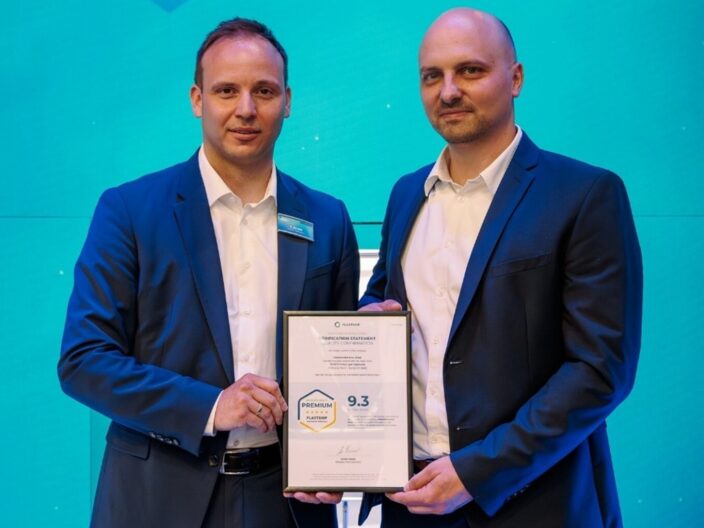
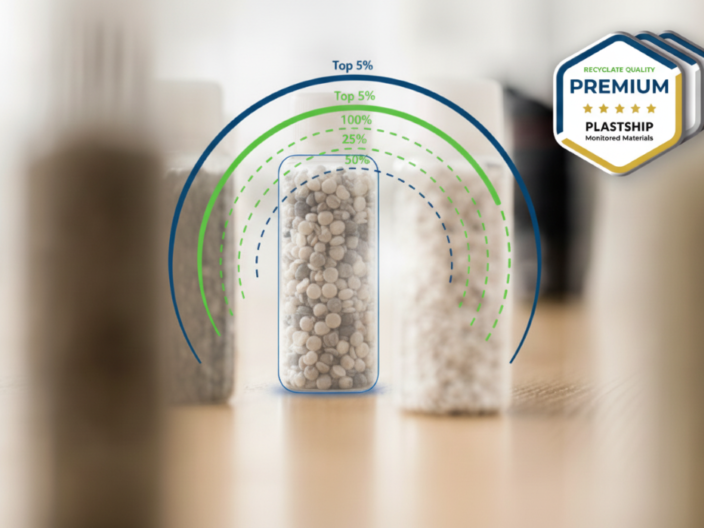
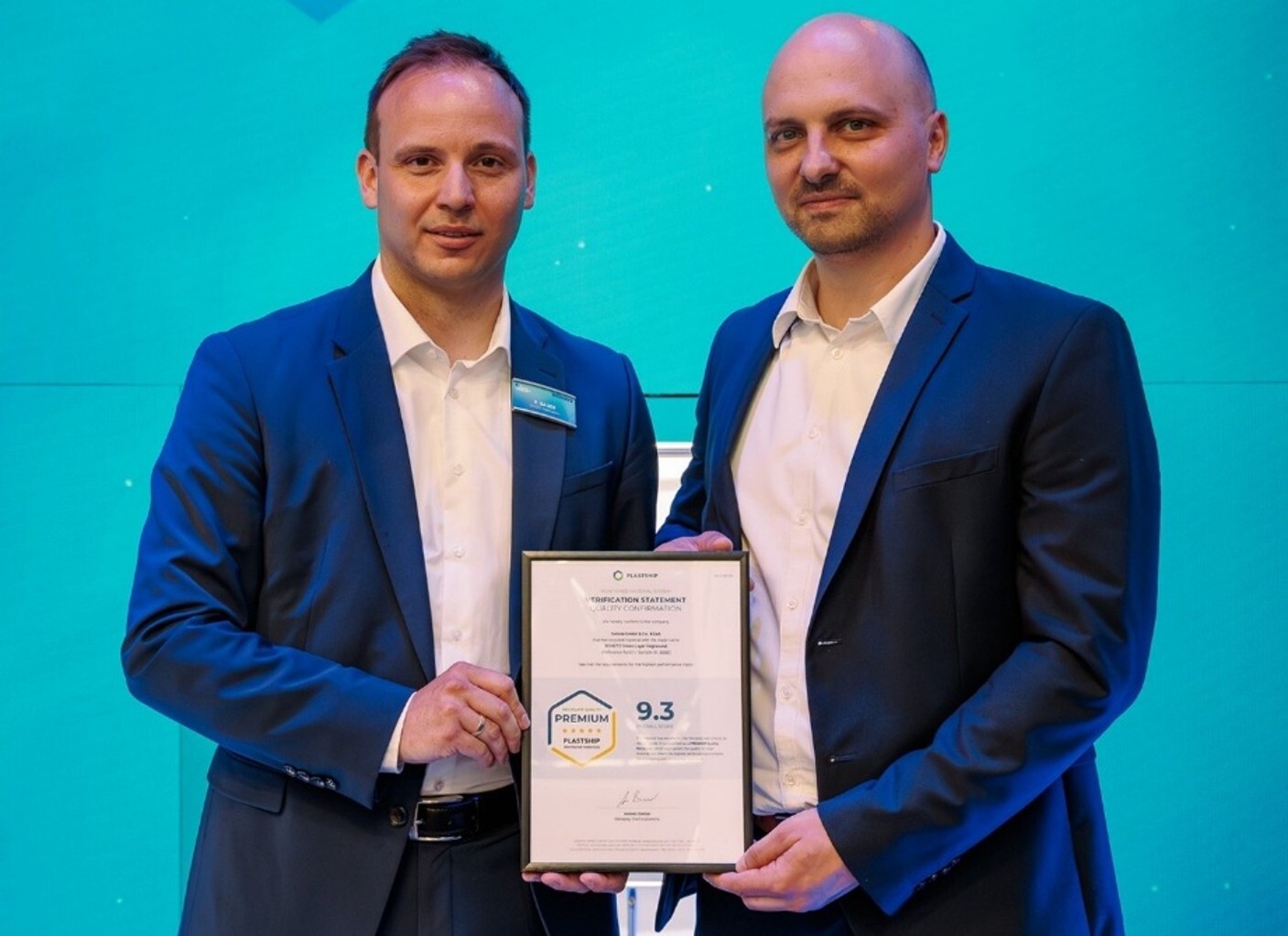
The regranulate used by Schütz as the central layer in its extrusion blow-moulded Green Layer IBCs, drums and canisters achieved an outstanding score of 9.3 points in the assessment under the Monitored Materials system. The Premium classification certifies that, in terms of its use and processing properties, the material is comparable with the quality of virgin material. Within the growing database, which comprises 224 materials, it currently ranks in the top 5% of the European market.
Added value for subscribers through dynamic access to market data
Beyond the assessment itself, customers who have a material tested as a “Monitored Material”, as well as subscribers to an annual subscription, benefit from further advantages. The associated exclusive access to the relevant database serves as a central tool for strategic raw material management. It enables users to create dynamic quality rankings, compare recyclates with virgin reference materials or the overall market on a data-driven basis, and carry out direct material comparisons.
In addition to in-depth analyses such as the mapping of qualities to specific waste streams, the system also integrates market data on production capacities. This turns what would otherwise be a pure quality overview into a holistic management tool for the safe and predictable procurement of recyclates.